



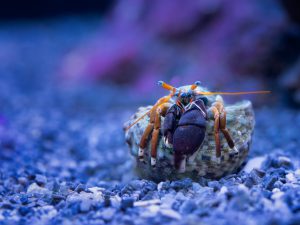


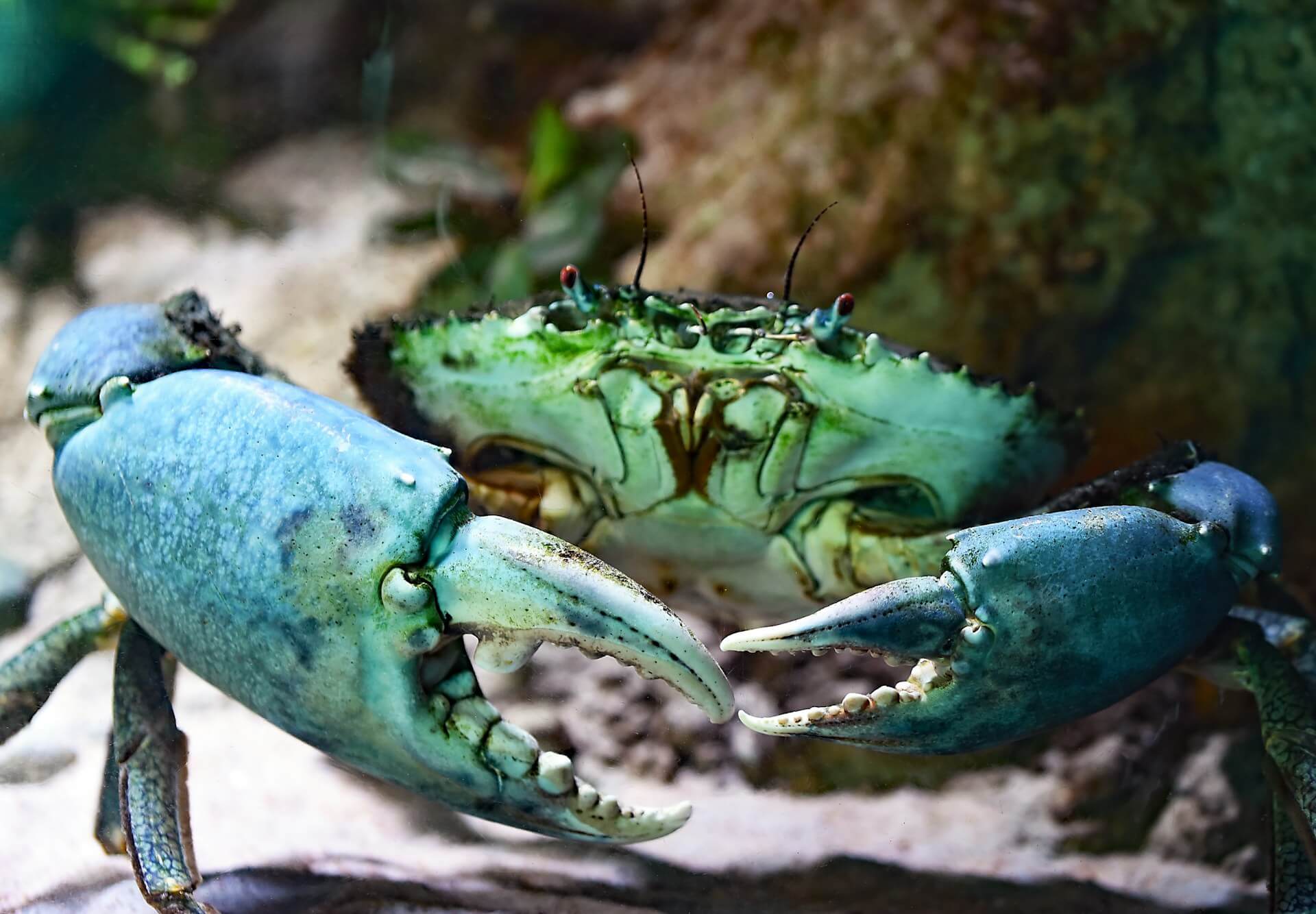
Crabs are among the most recognizable animals on Earth. With their hard shells, powerful claws, and unique sideways walk, they have successfully adapted to environments ranging from deep oceans to sandy beaches, mangrove forests, and even tropical rainforests.
More than 7,000 species of crabs have been discovered worldwide, each with its own remarkable adaptations. Some spend their entire lives underwater, while others can survive for long periods on land by keeping their gills moist.
Built for Survival
A crab’s hard outer shell acts like natural armor, protecting it from predators and harsh environments. However, this shell cannot grow with the animal.
To become larger, a crab must go through a process called molting. It sheds its old shell and waits for a new, larger one to harden. During this time, the crab is soft and vulnerable, making it one of the most dangerous periods of its life.
More Than Powerful Claws
Crabs use their claws for much more than defense.
They catch prey, break open shells, compete with rivals, dig burrows, and even communicate. In some species, males wave an oversized claw to attract mates or warn away competitors.
Their eyes, mounted on movable stalks, provide a wide field of view, helping them detect danger from almost any direction.
An Essential Part of Nature
Crabs play an important role in ecosystems around the world. They help recycle nutrients by feeding on dead plants and animals, control populations of smaller creatures, and provide food for birds, fish, turtles, and mammals.
Whether crawling across a rocky shore or hiding beneath mangrove roots, crabs are essential to maintaining healthy coastal environments.
With thousands of species and millions of years of evolution behind them, crabs prove that some of nature’s greatest survivors wear armor instead of fur or feathers.